
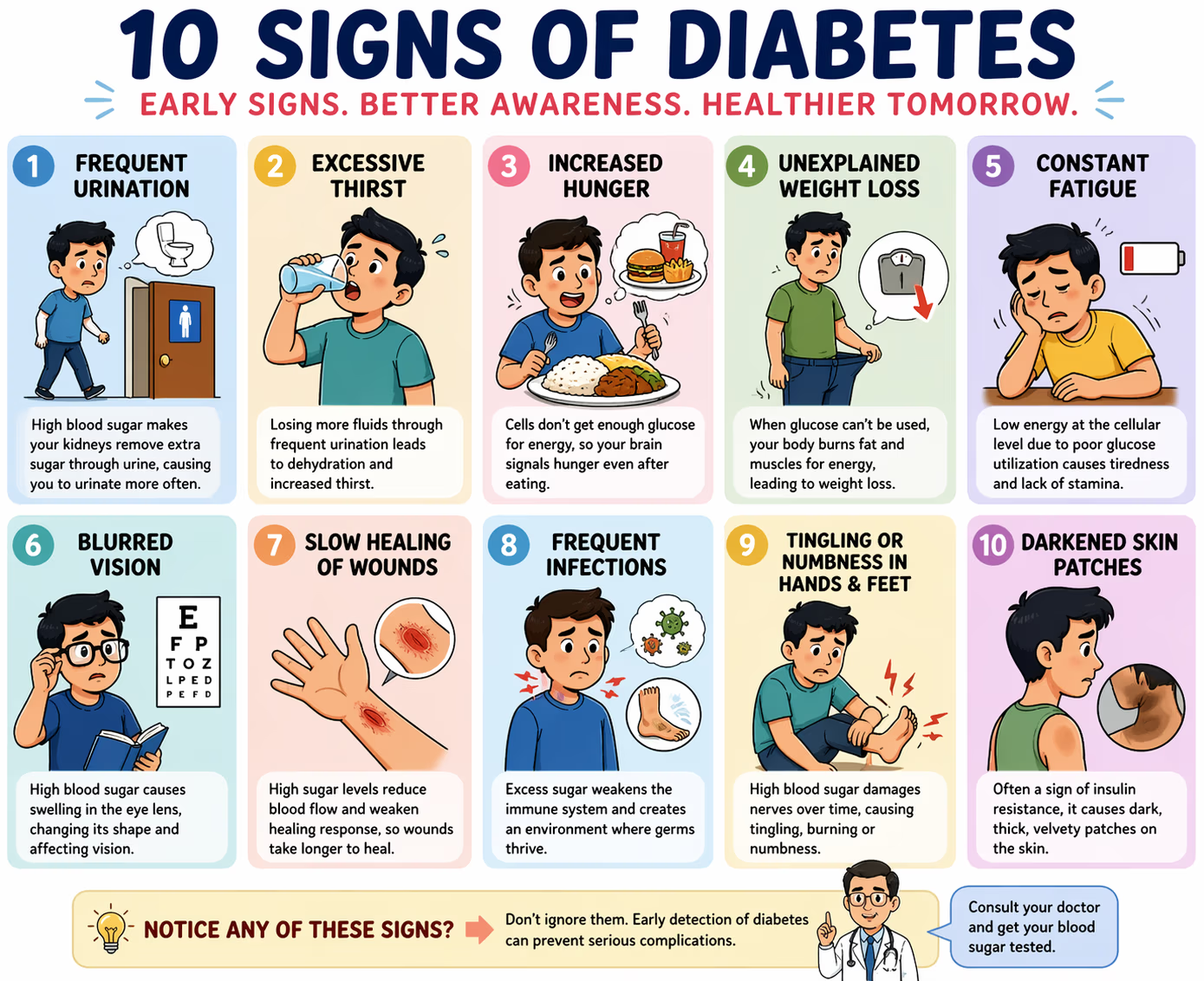
Diabetes is one of the most common lifestyle diseases today, especially in India. The challenge is that it often develops slowly, and many people ignore early warning signs until complications appear. Understanding these signs can help you catch the condition early and prevent serious health problems.
Below are 10 important signs of diabetes, explained in a simple but scientifically accurate way—covering both what you feel and why it happens.
1. Frequent Urination (Polyuria)
- What: You feel the need to urinate more often than usual, especially at night.
- Why: When blood sugar levels are high, your kidneys try to remove the excess glucose through urine. This pulls more water along with it, increasing urine production.
2. Excessive Thirst (Polydipsia)
- What: You feel unusually thirsty, even after drinking water.
- Why: Because your body is losing more fluids through frequent urination, it tries to compensate by triggering thirst signals.
3. Increased Hunger (Polyphagia)
- What: You feel hungry all the time, even after eating.
- Why: Your body cannot properly use glucose (sugar) for energy due to lack of insulin or insulin resistance. As a result, cells “starve,” and your brain signals hunger.
4. Unexplained Weight Loss
- What: You lose weight without dieting or exercise.
- Why: Since your body cannot use glucose efficiently, it starts breaking down fat and muscle for energy, leading to weight loss.
5. Constant Fatigue
- What: You feel tired or low on energy most of the time.
- Why: Glucose is the body’s main energy source. When it cannot enter cells properly, your body lacks usable energy, causing fatigue.
6. Blurred Vision
- What: Your vision becomes unclear or changes frequently.
- Why: High blood sugar can cause swelling in the eye lens, affecting its ability to focus properly.
7. Slow Healing of Wounds
- What: Cuts, bruises, or infections take longer than usual to heal.
- Why: High sugar levels damage blood vessels and reduce blood flow, which slows down healing and weakens the immune response.
8. Frequent Infections
- What: You get repeated infections, such as skin infections, urinary infections, or fungal infections.
- Why: Excess glucose in the blood creates an environment where bacteria and fungi grow more easily, and immunity is weakened.
9. Tingling or Numbness in Hands and Feet
- What: You feel a “pins and needles” sensation or numbness.
- Why: High blood sugar over time damages nerves (a condition called diabetic neuropathy), especially in extremities.
10. Darkened Skin Patches (Acanthosis Nigricans)
- What: Dark, thickened skin appears around the neck, armpits, or groin.
- Why: This is often linked to insulin resistance, where the body produces more insulin than normal, affecting skin cells.
Final Thoughts: Don’t Ignore the Warning Signs
These symptoms may appear mild at first, but they are your body’s way of signaling that something is wrong. Many people ignore them until complications like heart disease, kidney problems, or vision loss develop.
 If you notice two or more of these signs, it’s important to consult a doctor and get your blood sugar tested. Early diagnosis can help you manage diabetes effectively through lifestyle changes, medication, and regular monitoring.
Remember: Diabetes is manageable—but only if detected on time.
Infographic for 10 Signs of Diabetes
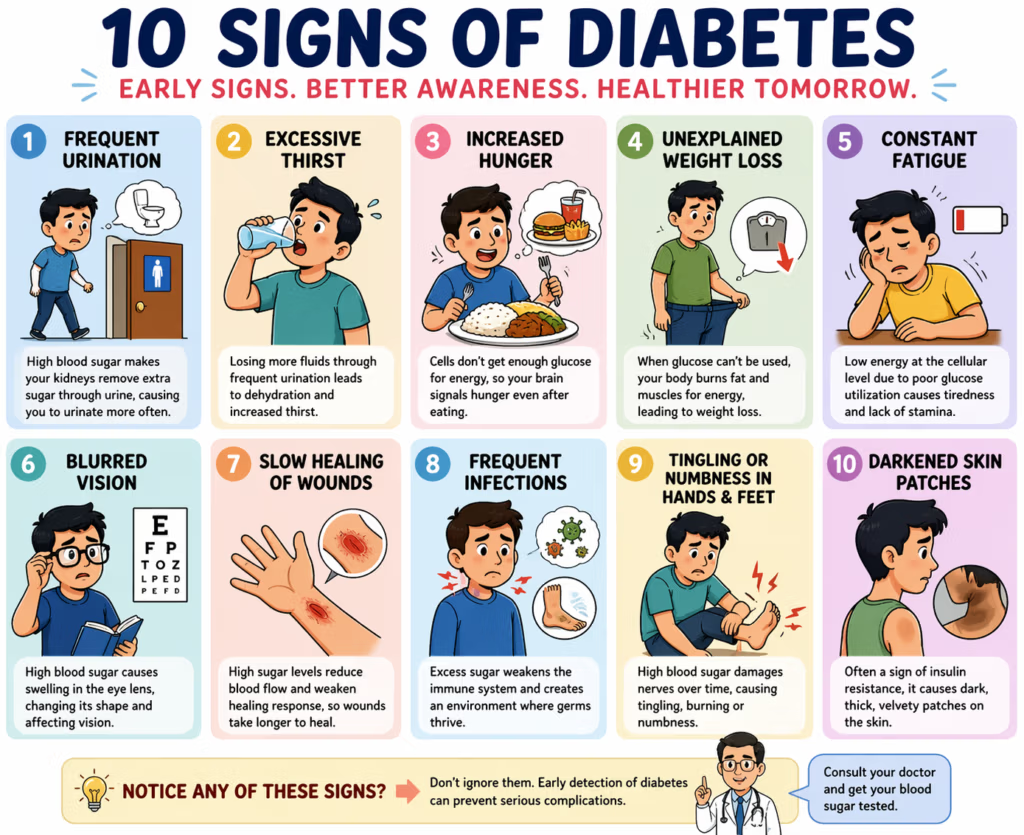
10 Clinical Signs of Diabetes You Should Not Ignore : What They Mean and Why They Occur (by Dr Vibhor Garg)
Diabetes Mellitus is a group of metabolic disorders characterized by persistent hyperglycemia (elevated blood glucose levels). This occurs either due to insufficient insulin production (as in Type 1 diabetes) or insulin resistance with relative insulin deficiency (as in Type 2 diabetes).
Chronic Hyperglycemia (High Blood Sugar) affects multiple organ systems—especially the eyes, kidneys, nerves, and blood vessels. Many early symptoms arise from fundamental physiological disturbances in glucose metabolism and fluid balance.
Below are 10 key clinical signs, explained with both observable features (what) and underlying mechanisms (why).
- Polyuria (Frequent Urination)
- What: Increased urine output, often noticeable as waking up multiple times at night (nocturia).
- Why: When blood glucose exceeds the renal threshold (~180 mg/dL), glucose spills into urine. This causes osmotic diuresis, where glucose draws water into the urine, increasing volume.
- Polydipsia (Excessive Thirst)
- What: Persistent thirst despite adequate fluid intake.
- Why: Fluid loss from osmotic diuresis leads to dehydration and increased plasma osmolality, stimulating thirst centers in the hypothalamus.
- Polyphagia (Increased Appetite)
- What: Persistent hunger even after eating.
- Why: Despite high blood glucose, cells are unable to utilize glucose effectively due to insulin deficiency/resistance. This creates a state of cellular starvation, triggering hunger signals.
- Unintentional Weight Loss
- What: Noticeable weight loss without dietary changes or exercise.
- Why: In the absence of effective glucose utilization, the body shifts to catabolism of fat and muscle for energy. This is especially pronounced in insulin deficiency states.
- Fatigue and Reduced Energy
- What: Chronic tiredness, reduced stamina, or lethargy.
- Why: Glucose is the primary cellular fuel. Impaired uptake leads to reduced ATP production, resulting in generalized fatigue. Additionally, dehydration and electrolyte imbalance may worsen this.
- Blurred Vision
- What: Fluctuating or consistently blurred vision.
- Why: Hyperglycemia alters the osmotic balance within the eye lens, causing lens swelling and refractive changes. Long-term exposure may damage retinal vessels (diabetic retinopathy).
- Delayed Wound Healing
- What: Cuts, ulcers, or infections that take longer to heal.
- Why: Chronic hyperglycemia leads to microvascular damage, reducing blood supply to tissues. It also impairs immune cell function, slowing repair processes.
- Recurrent Infections
- What: Frequent bacterial or fungal infections (skin, urinary tract, genital infections).
- Why: Elevated glucose levels provide a favorable environment for microbial growth. Additionally, immune dysfunction—especially impaired neutrophil activity—reduces the body’s defense.
- Peripheral Neuropathy (Tingling or Numbness)
- What: “Pins and needles,” burning sensation, or numbness in hands and feet.
- Why: Prolonged hyperglycemia damages nerves through mechanisms like oxidative stress and accumulation of sorbitol, leading to diabetic neuropathy.
- Acanthosis Nigricans (Darkened Skin Patches)
- What: Dark, velvety thickening of skin, especially in neck folds, armpits, or groin.
- Why: This is a marker of insulin resistance. Elevated insulin levels stimulate skin cell proliferation and pigmentation.
Integrating the Signs: A Pathophysiological Perspective
Most early symptoms of diabetes arise from three core mechanisms:
- Hyperglycemia and Osmotic Effects
→ Leads to polyuria, polydipsia, dehydration - Cellular Energy Deficit
→ Causes polyphagia, fatigue, weight loss - Chronic Tissue Damage
→ Results in neuropathy, infections, poor healing, and vision problems
Understanding this connection helps explain why multiple seemingly unrelated symptoms often appear together.
Conclusion: When to Seek Medical Evaluation
These signs may develop gradually and are often overlooked. However, their presence indicates underlying metabolic dysregulation that can lead to serious complications if untreated.
If you experience multiple symptoms simultaneously, it is advisable to consult a healthcare professional. Diagnosis is typically confirmed through tests such as fasting blood glucose, HbA1c, or oral glucose tolerance test.
Early detection allows for timely intervention through dietary modification, physical activity, medication, and regular monitoring, significantly reducing the risk of long-term complications.
In essence: recognizing these signs is not just about awareness—it is the first step toward preventing irreversible damage.
Diagnostic Tests for Diabetes and Their Interpretation
To diagnose Diabetes Mellitus, doctors rely on standardized blood tests that measure how your body handles glucose. These tests are based on well-established criteria from organizations like the WHO and ADA.
Below is a clear, tabular summary of the most commonly used tests and their diagnostic values:
 Diabetes Diagnostic Tests & Values
|
Test |
What It Measures |
Normal |
Prediabetes |
Diabetes |
|
Fasting Blood Sugar (FBS) |
Blood glucose after 8+ hours fasting |
< 100 mg/dL |
100–125 mg/dL |
≥ 126 mg/dL |
|
Postprandial Blood Sugar (PPBS) |
Blood glucose 2 hours after a meal |
< 140 mg/dL |
140–199 mg/dL |
≥ 200 mg/dL |
|
Oral Glucose Tolerance Test (OGTT) |
Blood sugar 2 hours after consuming 75g glucose |
< 140 mg/dL |
140–199 mg/dL |
≥ 200 mg/dL |
|
HbA1c (Glycated Hemoglobin) |
Average blood sugar over past 2–3 months |
< 5.7% |
5.7–6.4% |
≥ 6.5% |
|
Random Blood Sugar (RBS) |
Blood glucose at any time of day |
— |
— |
≥ 200 mg/dL* |
*For Random Blood Sugar, diagnosis usually requires classic symptoms of diabetes along with high value.
 Understanding the Tests (Simple Explanation)
- FBS (Fasting Blood Sugar):
Shows your baseline glucose level without recent food influence. - PPBS / OGTT:
Measures how efficiently your body handles sugar after intake—important for detecting early abnormalities. - HbA1c:
Reflects long-term glucose control by measuring how much sugar is attached to hemoglobin in red blood cells. - RBS:
Useful in emergency or symptomatic situations but not always sufficient alone for diagnosis.
 Important Clinical Notes
- Diagnosis is usually confirmed by repeating the same test on a different day, unless symptoms are severe.
- HbA1c may be less reliable in conditions affecting red blood cells (like anaemia).
- Early detection (prediabetes stage) is critical to prevent progression.
 When Should You Get Tested?
You should consider testing if you:
- Have symptoms like frequent urination, thirst, or fatigue
- Are overweight or physically inactive
- Have a family history of diabetes
- Are above 35–40 years of age
Final Advice
These tests are simple but powerful tools. If your values fall in the prediabetes or diabetes range, don’t ignore them.
Consult a doctor for confirmation and a personalized management plan. With early diagnosis and proper care, diabetes can be effectively controlled and complications can be avoided.