
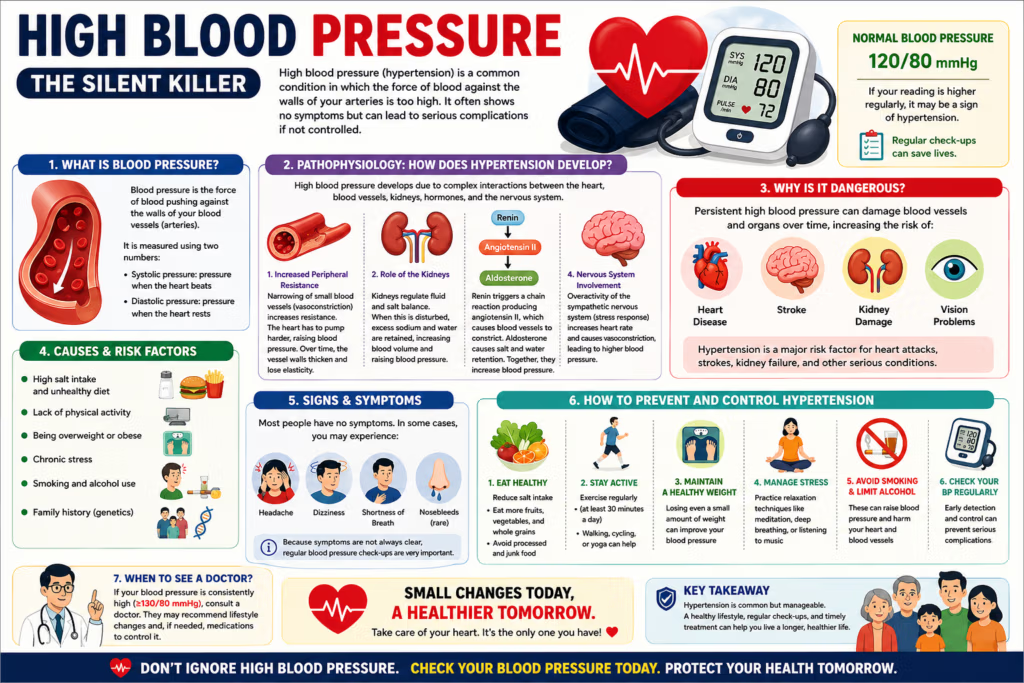
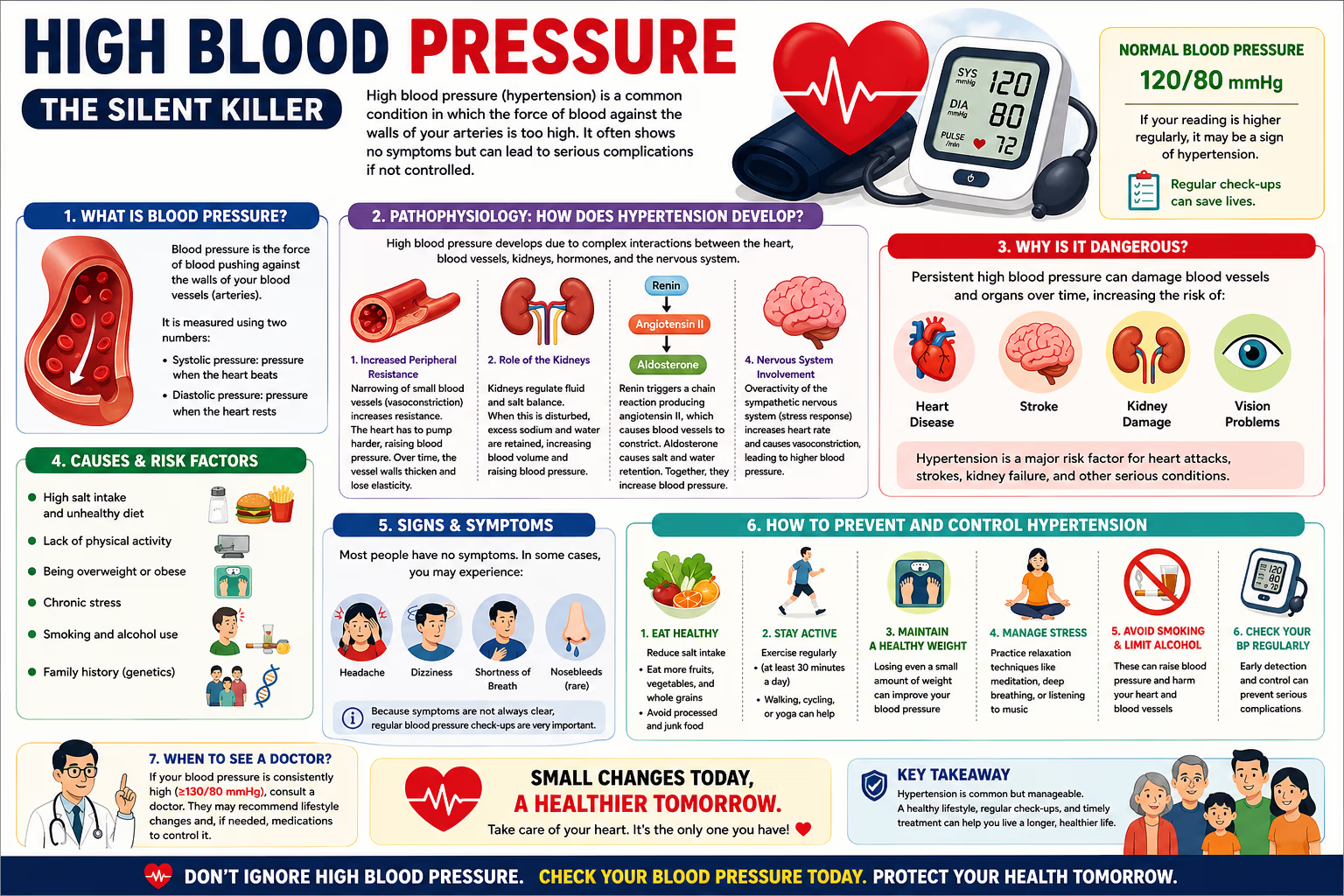
chatgpt image apr 25, 2026, 07 14 07 pm

High Blood Pressure: What Everyone Should Know – By Dr Vibhor Garg

chatgpt image apr 25, 2026, 07 14 07 pm 

High Blood Pressure, also called Hypertension, is a common health problem that affects many people. The worrying part is that most people don’t even know they have it. That’s why it is often called a “Silent Killer.” 


What is High Blood Pressure?

Blood pressure is the force of blood pushing against the walls of your blood vessels. When this pressure stays high for a long time, it is called High Blood Pressure.

A Normal Blood Pressure level is usually around 120/80 mmHg. If it goes above this regularly, it may be a sign of hypertension. 


Why is it a Problem?

If high blood pressure is not controlled, it can slowly damage your body. It increases the risk of:

  • Heart disease
  • Stroke
  • Kidney problems
  • Eye damage

What are the Causes of High Blood Pressure?

There is no single cause, but some common factors include:

  • Eating too much salt and unhealthy food
  • Lack of exercise
  • Being overweight
  • Stress
  • Smoking and alcohol
  • Family history

What are the Signs and Symptoms of High Blood Pressure?

Most people with high blood pressure feel normal and have no symptoms. However, in some cases, people may notice:

  • Headaches
  • Dizziness
  • Shortness of breath

Because symptoms are not always clear, regular check-ups are very important.


How to Prevent and Control It

The good news is that high blood pressure can be prevented and managed with simple habits:

  1. Eat Healthy
  • Reduce salt intake
  • Eat fruits, vegetables, and home-cooked meals
  • Avoid processed and junk food
  1. Stay Active
  • Exercise daily (even a 30-minute walk helps)
  • Walking, cycling, or yoga can help
  1. Maintain a Healthy Weight
  • Keeping your weight in check reduces risk
  • Losing even a small amount of weight can improve blood pressure
  1. Manage Stress
  • Try meditation, deep breathing, or relaxing activities
  1. Avoid Smoking and Limit Alcohol
  • These increase blood pressure and harm your health
  1. Check Your Blood Pressure Regularly
  • Early detection can save lives

When Should You See a Doctor?

If your blood pressure is often high, visit a doctor. They may suggest lifestyle changes or give medicines to control it.


Final Message

High blood pressure is common but dangerous if ignored. The best way to stay safe is to live a healthy lifestyle and check your blood pressure regularly. Small steps today can protect your health in the future.

Hypertension, or high blood pressure, is a chronic medical condition in which the pressure of blood flowing through the arteries remains consistently elevated. It is one of the leading risk factors for heart disease, stroke, and kidney failure worldwide.

What is Blood Pressure?

Blood pressure is the force exerted by circulating blood on the walls of blood vessels, especially arteries. It is determined by two main factors:

  • Cardiac output (the amount of blood the heart pumps)
  • Peripheral resistance (how narrow or wide the blood vessels are)

It is recorded as two values:

  • Systolic pressure: pressure during heart contraction
  • Diastolic pressure: pressure during heart relaxation

A normal reading is approximately 120/80 mmHg.


What is Hypertension?

Hypertension occurs when blood pressure remains persistently elevated (generally ≥130/80 mmHg). It develops gradually and often without noticeable symptoms, making early detection difficult.


Pathophysiology: How Does Hypertension Develop?

The development of hypertension involves complex interactions between the heart, blood vessels, kidneys, and hormones.

1. Increased Peripheral Resistance

One of the main causes is the narrowing (vasoconstriction) of small arteries. When blood vessels become narrower:

  • Blood faces more resistance
  • The heart must pump harder
  • Blood pressure rises

Over time, the vessel walls may thicken and lose elasticity, worsening the condition.

2. Role of the Kidneys

The kidneys regulate blood pressure by controlling fluid and salt balance. When this system is disturbed:

  • Excess sodium (salt) is retained
  • Water retention increases blood volume
  • Increased volume raises blood pressure

3. Hormonal Regulation

Hormones such as those in the renin-angiotensin-aldosterone system (RAAS) play a key role:

  • Renin triggers a chain reaction producing angiotensin II
  • Angiotensin II causes blood vessels to constrict
  • Aldosterone increases salt and water retention

Together, these effects increase blood pressure.

4. Nervous System Involvement

Overactivity of the sympathetic nervous system (stress response) can:

  • Increase heart rate
  • Cause vasoconstriction
  • Raise blood pressure

Why is Hypertension Harmful?

Persistent high pressure damages blood vessels and organs over time.

  • Heart: Increased workload leads to thickening of the heart muscle and risk of heart failure
  • Brain: Damaged vessels can lead to stroke
  • Kidneys: High pressure damages filtering units, causing kidney disease
  • Eyes: Can damage small blood vessels, affecting vision

Causes and Risk Factors

Hypertension is usually multifactorial, meaning it develops due to a combination of factors:

  • High salt intake
  • Obesity
  • Physical inactivity
  • Chronic stress
  • Smoking and alcohol consumption
  • Genetic predisposition

Symptoms

Hypertension is often asymptomatic. When symptoms occur, they may include:

  • Headache
  • Dizziness
  • Shortness of breath

However, these are not reliable indicators, which is why it is often called a “silent disease.”


Prevention and Management

Management focuses on reducing risk factors and controlling blood pressure:

Lifestyle Modifications

  • Diet: Reduce sodium intake; increase fruits and vegetables
  • Exercise: Regular physical activity improves vascular function
  • Weight management: Reduces strain on the cardiovascular system
  • Stress control: Helps regulate nervous system activity

Medical Treatment

If lifestyle changes are not enough, medications may be prescribed to:

  • Relax blood vessels
  • Reduce blood volume
  • Lower heart workload

Conclusion

Hypertension is a complex but manageable condition. Understanding its underlying mechanisms highlights the importance of early detection and consistent management. With appropriate lifestyle changes and medical care, the risks associated with high blood pressure can be significantly reduced.

Leave a Comment

Your email address will not be published. Required fields are marked *